
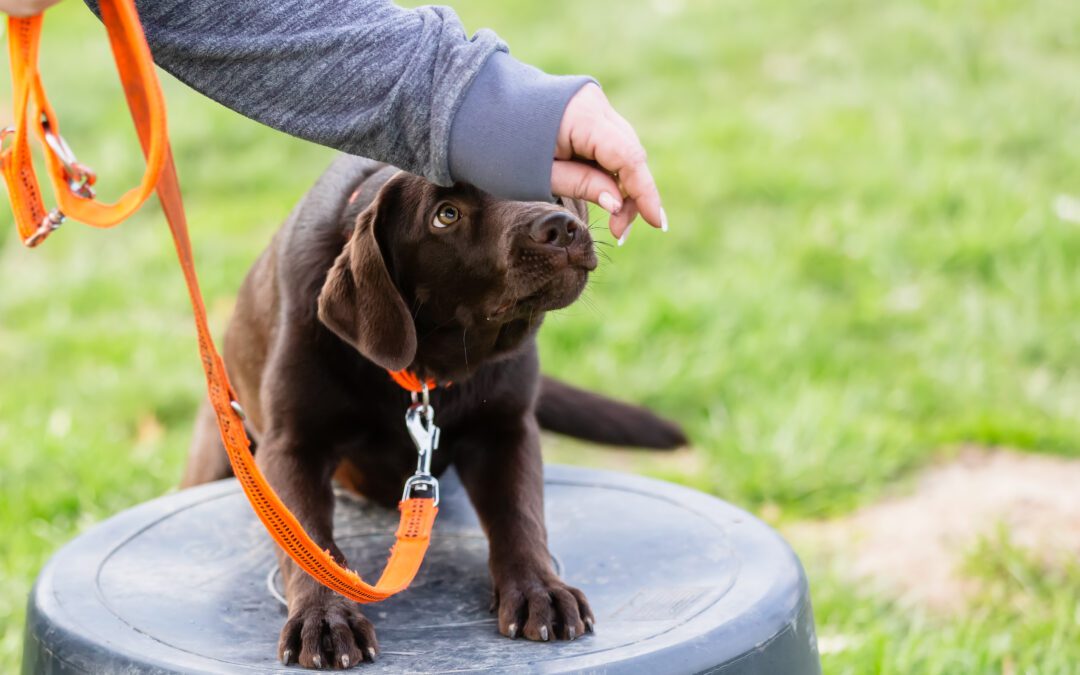
Bringing home a new puppy comes with plenty of sweet moments, but you might be thinking when to start puppy training. Learning begins the moment your pup walks through the door. Puppies absorb routines and simple cues quickly, which means good habits can start forming well before their first dog training class. Many families begin with small at-home lessons while exploring puppy training to support long-term progress.
Starting training early helps prevent unwanted behaviors from becoming daily frustrations. Puppies grow quickly, and each stage of their development provides an opportunity to build confidence, manners, and social skills. By understanding what your furry friend is ready to learn at each age, the puppy training process becomes smoother and much less of a headache.
Table of Contents
Puppy Training Schedule By Age
Every puppy learns at their own pace, but age-based milestones offer a helpful guide. These stages show what young dogs are capable of and how training can evolve as they grow. Early habits set the tone for everything that follows, which is why simple routines and positive interactions matter so much in the first few months.
8 to 12 weeks
Puppies begin settling into their new environment during this stage, so keeping training short and simple works best. This is a great time to help them learn their name, respond to early cues, and practice calm behavior during everyday routines like mealtime. Crate training and potty training also become important now, since they introduce structure and help your puppy understand what to expect. With sessions kept brief and positive, most puppies stay engaged and excited to learn.
12 to 16 weeks
This stage is often called the socialization window. Puppies are curious and open to new experiences, so it’s a great time to introduce them to new people, sounds, textures, and safe public outings. Basic leash walking usually starts here, along with early work on polite manners and bite inhibition through gentle redirection.
If you want more personalized guidance, this is an ideal age to add private puppy training to help your dog learn in a focused, comfortable setting.
4 to 6 months
Puppies at this age have a better attention span and are ready for more structured learning. This is where obedience cues start to feel more consistent and reliable. Puppies must be at least 16 weeks old to begin programs like Club K9’s training, which makes this stage the perfect time to build on earlier progress through professional guidance.
Skills such as sit-stay, recall, and loose-leash walking become stronger with regular practice. Many owners also start exploring what types of activities their dogs enjoy most, from agility-style play to problem-solving games.
6 to 12 months
As puppies move into adolescence, their energy often spikes and they may lose focus. It’s normal for dogs in this stage to test boundaries or temporarily forget cues they’ve already learned. This is why consistency matters.
Continued training helps redirect that extra enthusiasm into good habits, and reinforcement keeps earlier skills from fading. With patience and clear structure, this phase becomes an opportunity to strengthen communication and prepare your dog for adult-level manners.
Types of Puppy Training
Puppies arrive with big personalities packed into tiny bodies, which means they each learn in their own way. Some pups thrive in group settings, while others prefer one-on-one support. Exploring the options helps you choose a path that fits your dog’s personality and builds their confidence.
Beginner Obedience Training
Beginner obedience covers the everyday manners puppies use as they grow. Skills like sit, stay, and loose-leash walking help your dog move through the world with calm and confidence. Many owners start with basic manners because it creates a simple routine at home and strengthens communication between you and your puppy.
Advanced Obedience Training
Once your puppy has a solid handle on the basics, they’re often ready for more challenging skills. Advanced obedience strengthens recall, focus, and calm behavior in distracting environments. Many families add off-leash training at this stage because it builds stronger recall and listening skills in real-world situations.
Private Puppy Training
Some puppies learn best with one-on-one guidance. Private lessons offer a comfortable and controlled environment where your dog can focus without the pressure of a group class. Training sessions are tailored to your dog’s personality, energy level, and specific challenges.
Families often choose private puppy training in Las Vegas when they want personalized support for behaviors like jumping, reactivity, or difficulty settling.
Benefits of Puppy Training
Training shapes how your puppy views the world, how they handle new situations, and how well they communicate with you. Starting early builds a foundation that supports your dog throughout adolescence and into adulthood. Early dog training also builds confidence and helps your puppy handle new situations with fewer setbacks.
A few key benefits include:
- Better Behavior at Home: Puppies learn what is appropriate, which reduces common issues like jumping, chewing, and barking.
- Improved Social Skills: Exposure to new environments helps puppies grow into confident and well-adjusted dogs.
- Stronger Communication: Training teaches you how to guide your puppy with clear expectations, which strengthens understanding on both sides.
- Easier Vet and Grooming Visits: Puppies who practice gentle handling early on feel more comfortable during routine care.
- Long-Term Safety: Skills like recall and impulse control can make everyday outings safer for both you and your dog.
Finding the Best Fit for Your Puppy’s Training Needs
Early training shapes the kind of dog your puppy will grow into, and having the right support can make those first months easier. Reviewing pricing can help you choose the program that fits your furry friend’s age and learning style.
At Club K9, puppies train in a calm, positive environment where they can focus and build confidence at their own pace. Our trainers take the time to understand each dog’s personality and create a plan that feels realistic and encouraging.
Many families enjoy visiting the facility before enrolling, and seeing a session in action can make everything click. You can schedule a tour to meet the trainers and picture your puppy growing into a confident, well-mannered companion.
Book A Puppy Training Session
Related Puppy Training Resources